
Airtable
A database that looks like a spreadsheet. Ideal as a source system for product data and content synchronized to a site.
Part of our stack. We choose the right tools for each project, not the other way around.
Airtable is a database with the interface of a spreadsheet. Teams used to Excel can start working in it immediately, while the data remains structured, linkable, and accessible via API. For us, it is primarily a source system: the place where a team manages product data or content that subsequently flows to a website or portal.
What Airtable is
Tables with column types, links between tables, role-based views, forms, and automations. It feels like a spreadsheet, but it behaves like a database.
What we use it for
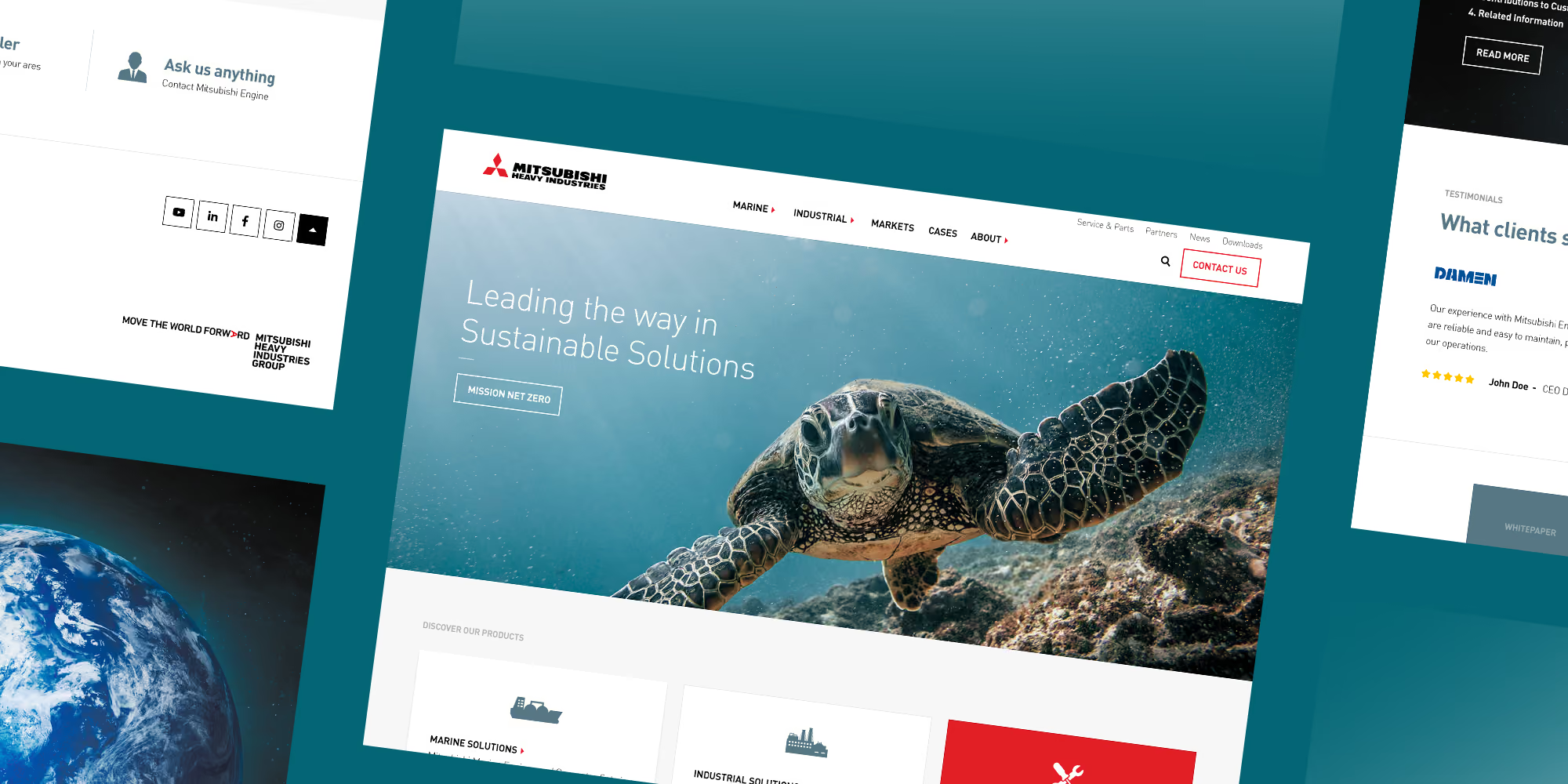
Product catalogs, price lists, and content that needs to appear in multiple places. For Mitsubishi Turbochargers & Engines, we track hundreds of engine types in Airtable, synchronized to Webflow via the Data API. Also as a simple CRM or planning board with automations.
How it fits into our stack
As a source alongside Webflow, with a connection that keeps the data up to date. Via Make for simple flows, or via custom code on Vercel for large volumes.
When not to use it
For applications with many concurrent users, sensitive data, or complex permissions, we choose Xano. Airtable is an excellent source but a mediocre backend.
How can we help?
Cases where we use these tools

Projects in this sector











Frequently asked questions
Wat kost Airtable?
Airtable is gratis voor kleine bases. Daarna betaal je per gebruiker per maand. Voor een team van een paar mensen zijn dat tientallen euro's.
Kan ons team zelf in Airtable werken?
Ja, daar is Airtable voor gemaakt. Het werkt als een spreadsheet, dus wie Excel kent, kan in Airtable werken. De data blijft intussen gestructureerd en gekoppeld aan je site.
Hoe komt data uit Airtable op de website?
Via een koppeling die wij bouwen tussen Airtable en het CMS van je website. Een wijziging in Airtable staat binnen minuten op de site. Zo houden we voor Mitsubishi Turbochargers & Engines honderden motortypes actueel in Webflow.
Wat als de data in Airtable groter wordt?
Airtable heeft limieten per base. Bij tienduizenden regels of veel verkeer verhuizen we naar Xano, met behoud van de structuur.
Is Airtable veilig genoeg voor bedrijfsdata?
Voor productdata en content is Airtable veilig genoeg. Voor persoonsgegevens, betaaldata of complexe rechten kiezen we liever Xano, met opslag in de EU.