From a slow *WordPress* site to a scalable *Webflow* platform
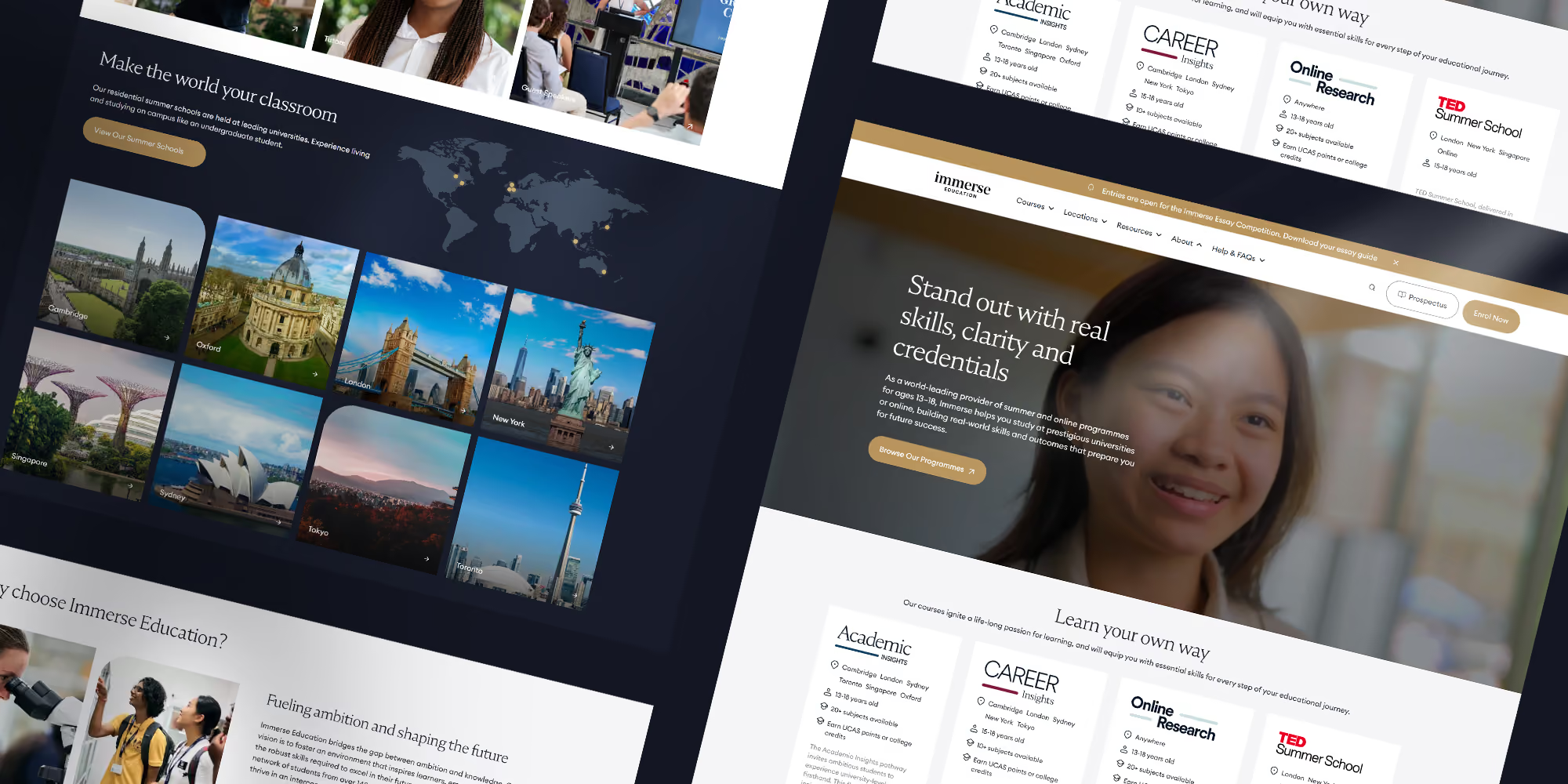
Immerse Education offers academic summer schools at locations such as Oxford, Cambridge, Sydney and Singapore. The platform had grown to thousands of pages on a plugin-heavy WordPress installation, which made publishing slow and management dependent on technical knowledge. We migrated everything to Webflow, with a CMS in which programmes, locations and subjects are interconnected and a design system of components and variables. The marketing team now builds and publishes independently, while retaining the SEO value it had built up.





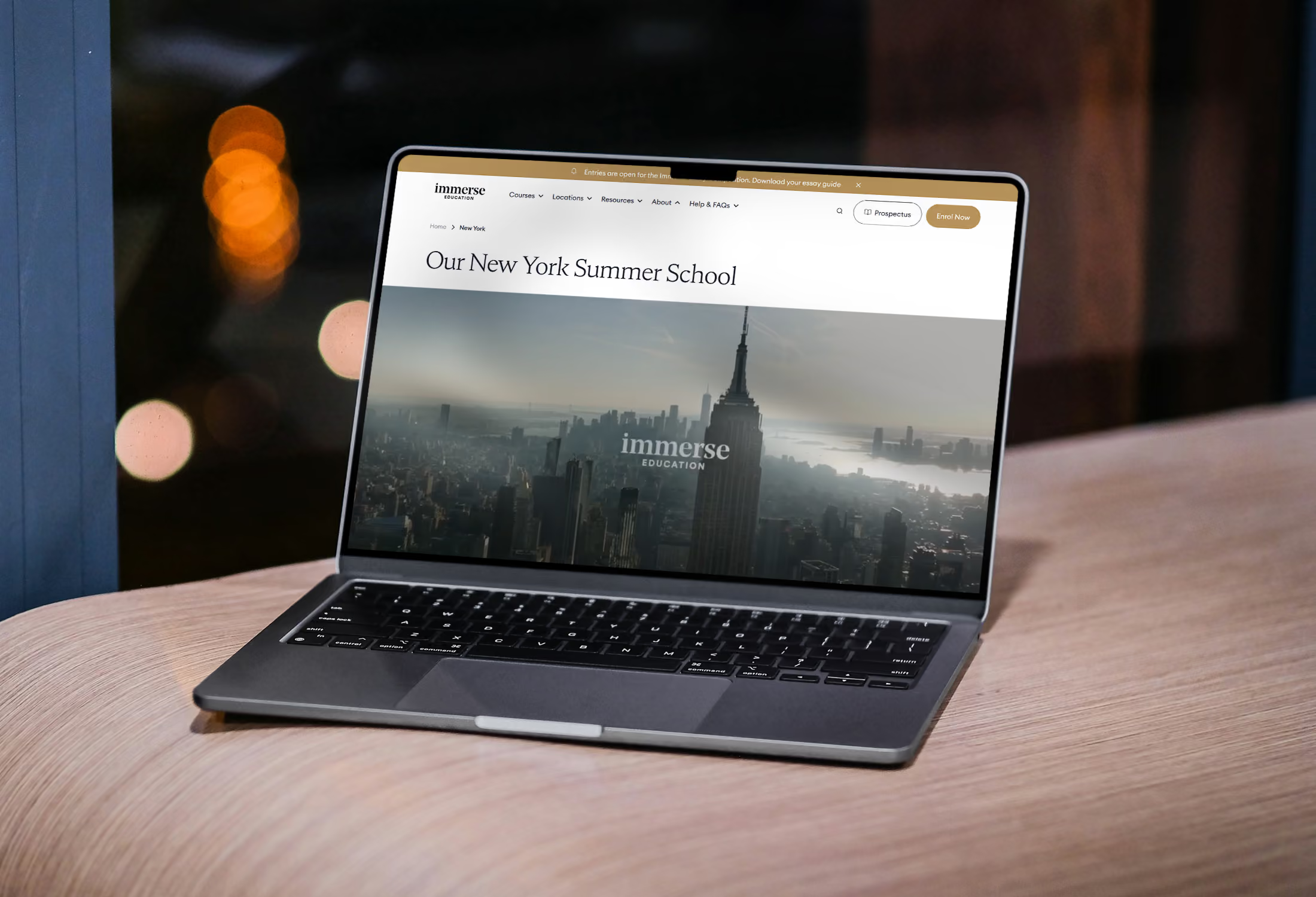
Immerse Education offers academic summer schools and online programmes to students aged 13 to 18, at locations such as Oxford, Cambridge, Sydney and Singapore. Over the years, the website had grown into an extensive platform with hundreds of programme, resource and location pages. The underlying WordPress infrastructure, built on a page builder and a growing pile of plugins, could no longer keep up with that growth: publishing took hours and managing content required technical knowledge.
We migrated the entire platform to Webflow. That meant more than a technical move. It also involved setting up a scalable CMS structure, rebuilding the UX architecture based on GA4 data, migrating thousands of pages and collections, and safeguarding SEO continuity through 301 redirects and structured metadata. Working with SEO partner Searchable ensured a controlled launch in which all benchmark URLs resolved correctly straight away.
The client's challenge.
A platform that relied on plugins
The WordPress site ran on Elementor, ACF, Custom Post Types and a long list of additional plugins. Each plugin brought its own scripts, updates and dependencies, and together they made the site unnecessarily slow and fragile: one update could break something elsewhere. Publishing took hours and almost every content update required a developer. For an organisation that grows through content and campaigns, that holds back everything marketing wants to do.
Content with thousands of interconnections
The content was spread across hundreds of dynamic fields: thousands of resource articles in dozens of categories, programmes linked to locations, subjects and pathways, testimonials, competitions and study guides. Everything had to be carried over without losing structure, internal links or SEO value. It is precisely these connections that determine whether a student finds the right programme.
One design system for hundreds of pages
With so many page types, consistency is not a luxury. Immerse wanted a design that feels the same on every page and that the team can extend itself without the design becoming diluted. That calls for a system of components and variables rather than individual pages.
Preserving SEO value during a complex migration
The site had built up a strong organic position, with tens of thousands of clicks on its key pages. In a migration of this scale, loss of traffic is the biggest risk: URL structures, metadata, internal links and redirects all had to be right before the DNS switch. Webflow's limits on collections and CMS items also called for architectural decisions that had to be carefully considered in advance.

What we did.
Pixel-perfect from Figma, built as a system
The Figma designs for Home, Programmes, Locations, Subjects and Pathways formed the visual foundation. We implemented these pages in Webflow, fully responsive and integrated with the CMS. We built with components, properties and variables, so that colours, typography and spacing are managed in one place. A change to the system is applied immediately across all pages, which keeps the design consistent as the site grows.
References and relationships as the backbone
We set up collections for programmes, locations, subjects, pathways, resources, testimonials and academic competitions, and connected them to each other with references. A programme knows which location, subject and pathway it belongs to, and pulls its price from a separate pricing collection in multiple currencies. As a result, information is entered once and appears automatically wherever it is needed, from overviews and filters to programme pages. Webflow's limit on the number of collections called for deliberate choices: subcategories were removed from the URL structure and resource articles were merged into a single searchable list using Finsweet.
Migrating content with CSV imports
Most of the content was moved to the new CMS structure via CSV imports, supplemented by manual work where necessary. We did this in close collaboration with Immerse's WordPress developer and the client's team, so that knowledge of the old structure was readily available. In parallel, we set up more than a thousand 301 redirects, without chains, and updated the metadata of hundreds of pages for discoverability in search engines and large language models. Searchable provided the keyword mapping, a revised site architecture and a migration guide that served as a checklist right up to go-live.
Integrations and performance in order
HubSpot forms, Google Tag Manager and Analytics were connected. GTM and HubSpot were deferred until the first user interaction to improve load times. Typekit was replaced with CSS with preloads, images were optimised to WebP with lazy loading, and JavaScript was loaded per page rather than as a single bundle. As a result, PageSpeed medians rose considerably and CLS dropped to zero on all measured pages.
Our WordPress site had gotten to the point where we couldn't change much without a developer. DeDigitaal restructured the website in Webflow, split the content into collections that cross reference each other so our programmes, subjects, locations and articles link up properly, and imported everything across from the old site. The pages are built from components the team can actually use. He worked directly with our SEO agency on the technical side of the migration and handed the site over with proper training. Nobody here has asked for a developer since.
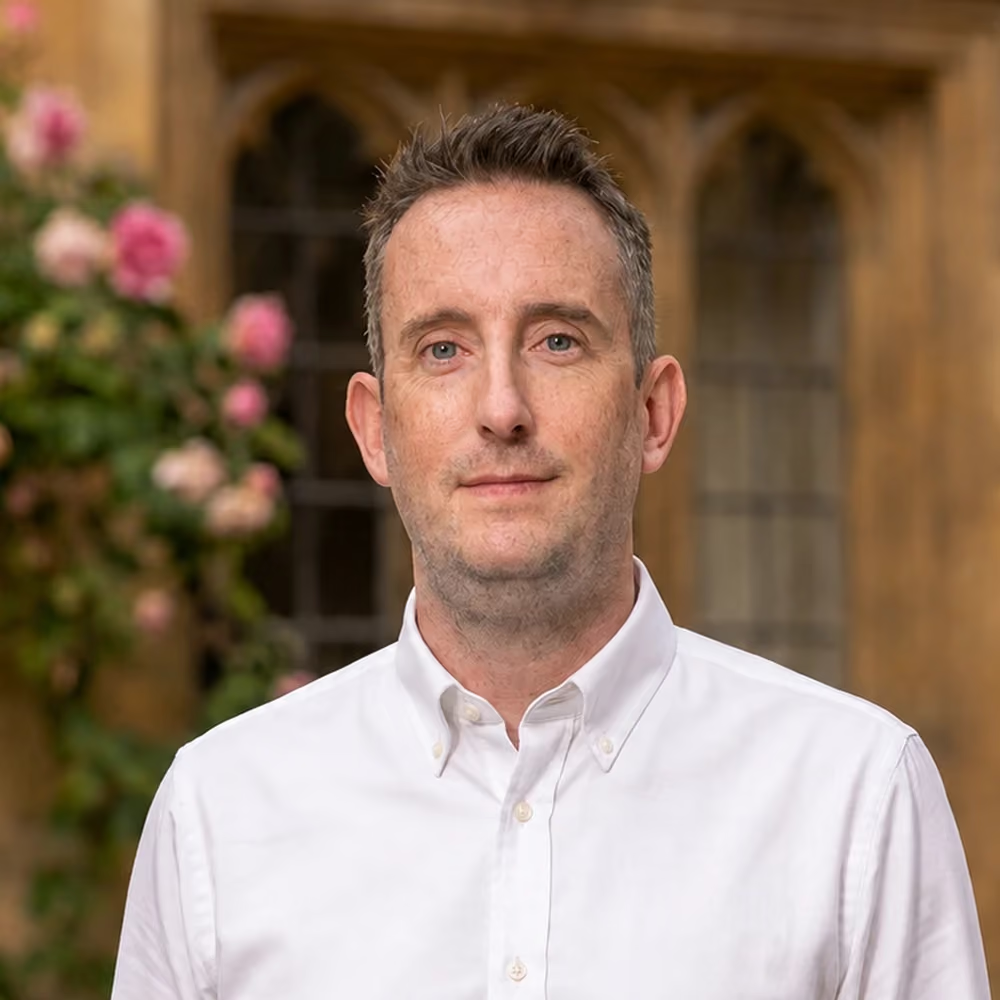
Adam Lynch
Marketing & Revenue Operations Director
Real-world results
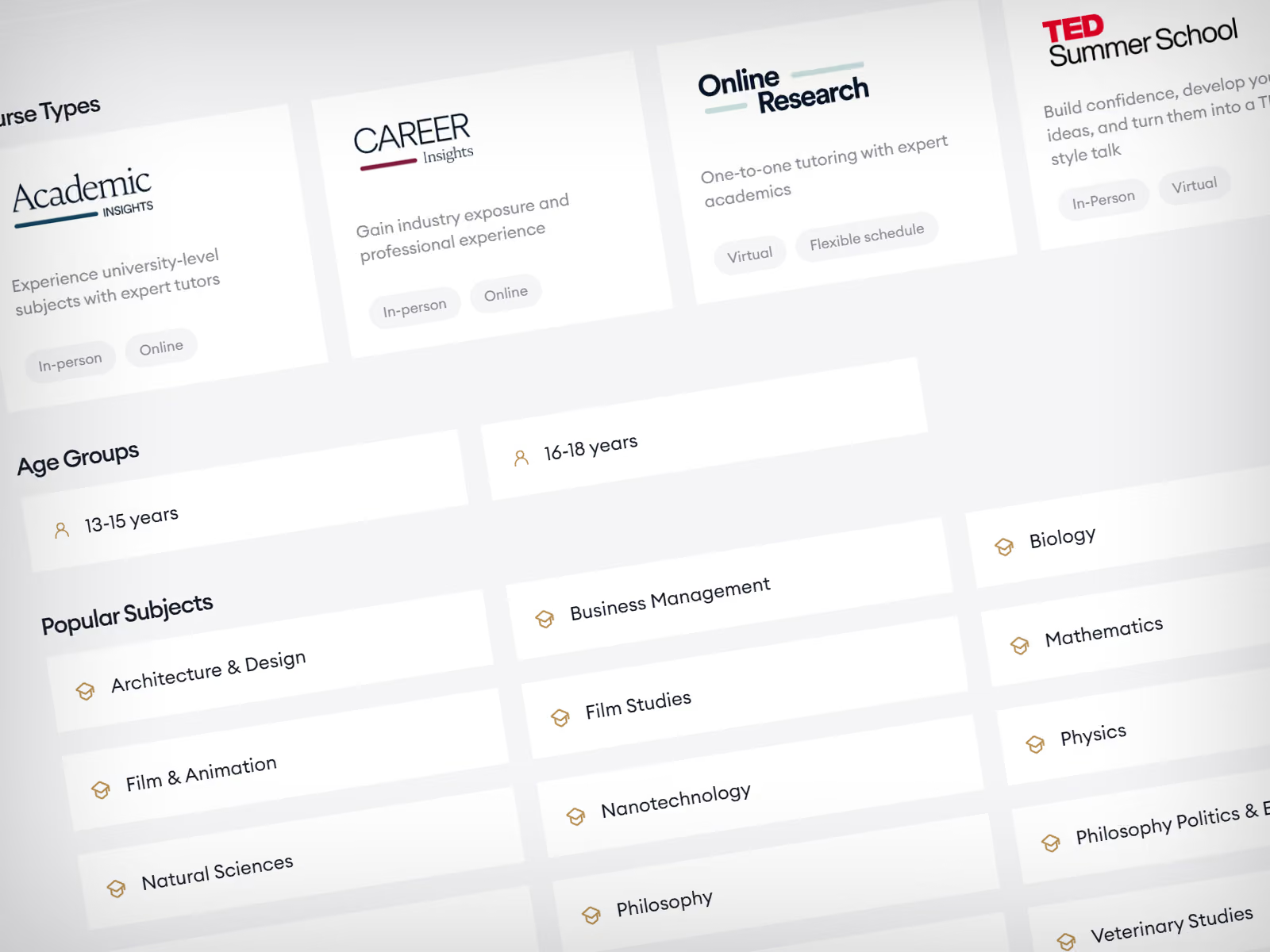
Filtering programmes by subject, location and age
Visitors can search the full range of programmes using filters for subject, location, age group and date. All programmes are linked from a single CMS collection to locations, pathways and pricing information in multiple currencies. Because the filters run directly on the CMS data, a new programme appears in the right selection straight away.
Searching resources in one overview
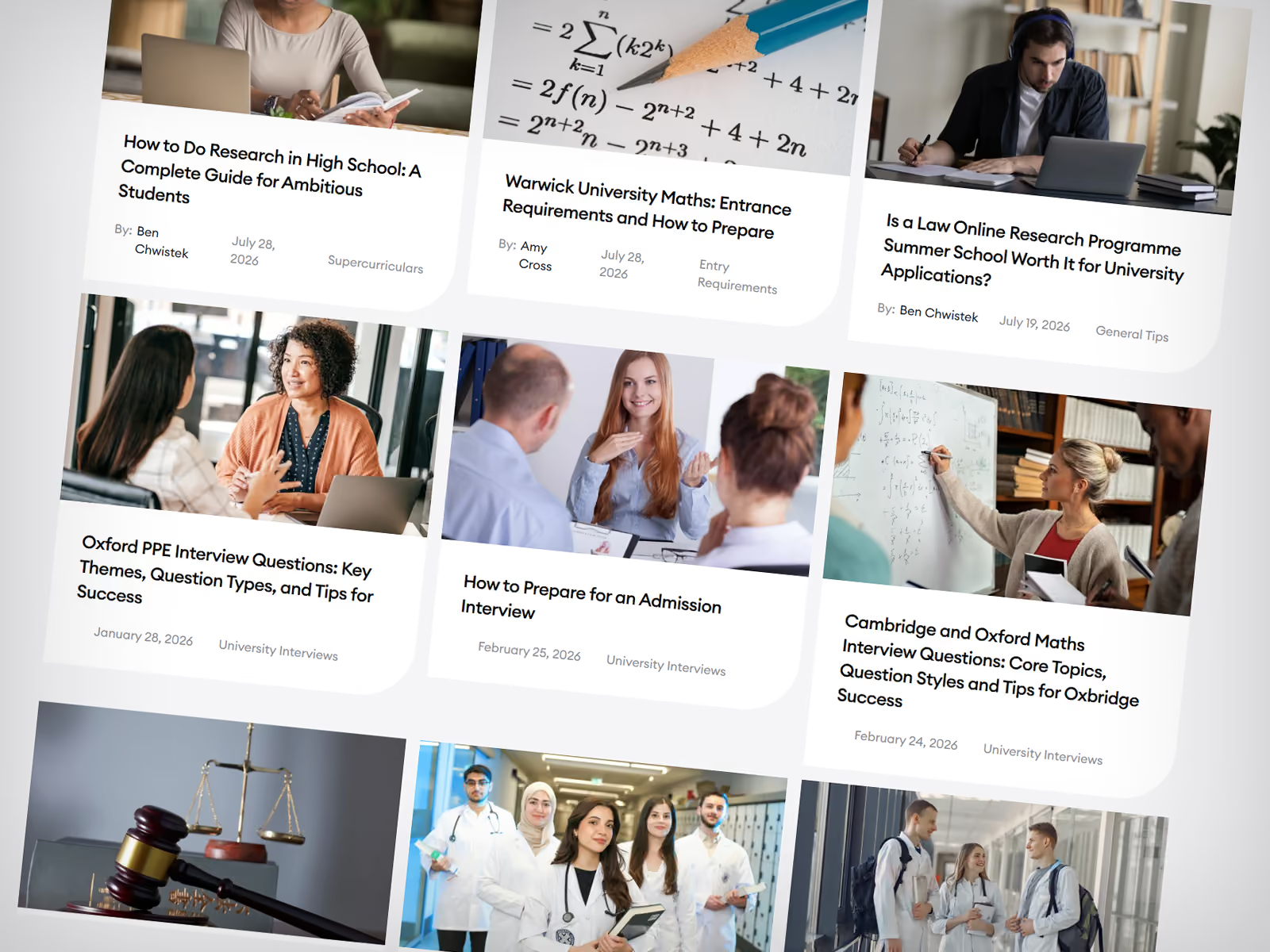
Thousands of resource articles spread across dozens of categories have been merged into a single searchable list. The editorial team adds new articles through the CMS editor, without needing a developer. For visitors it feels like one library, while management stays clear and simple for the team.
Building new pages with drag and drop
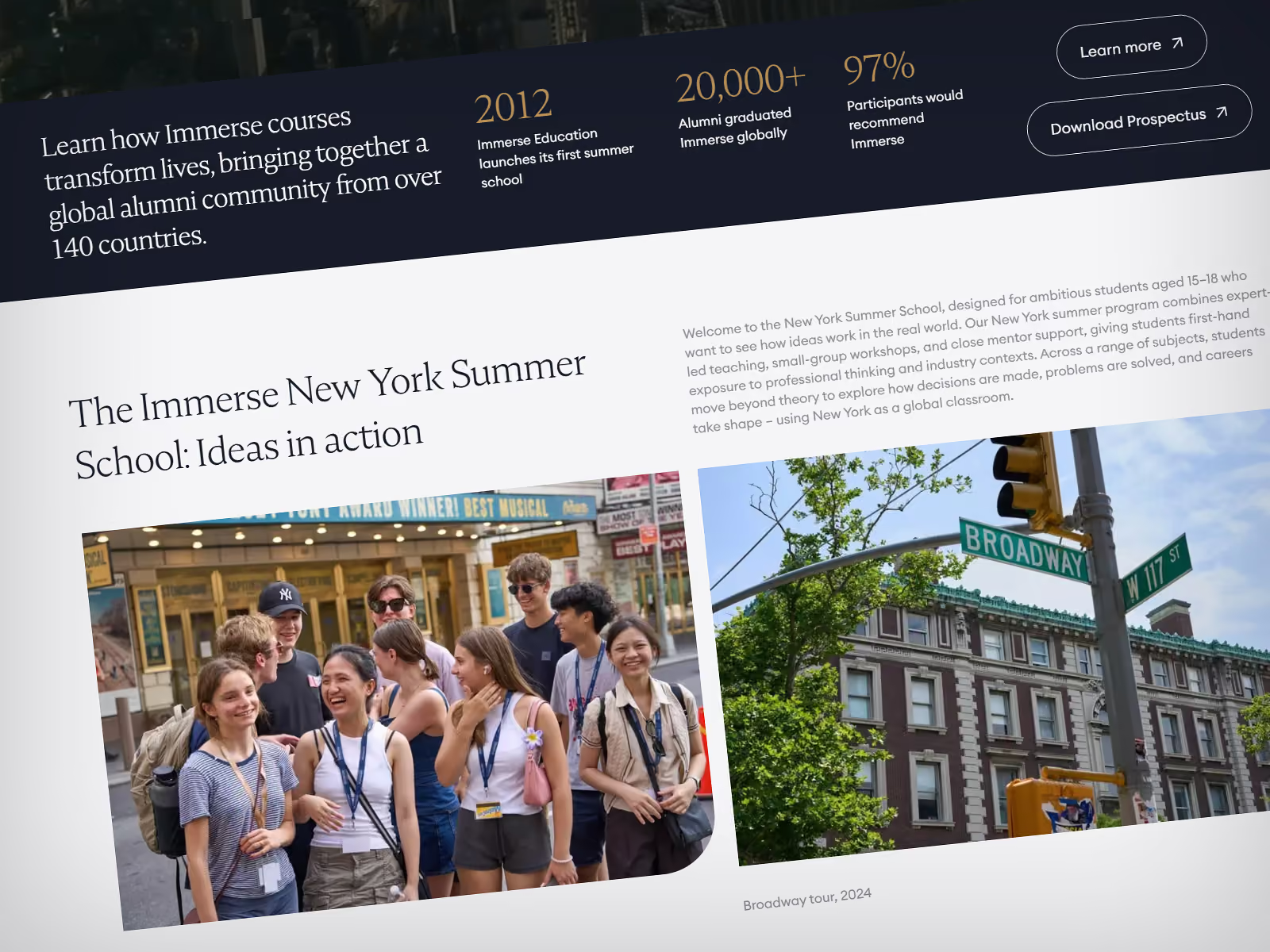
Marketers assemble new pages themselves from ready-made components. Using slots and properties, they adjust text, images and variants without being able to break the design. A new campaign page goes live without a developer, in the same style as the rest of the site.
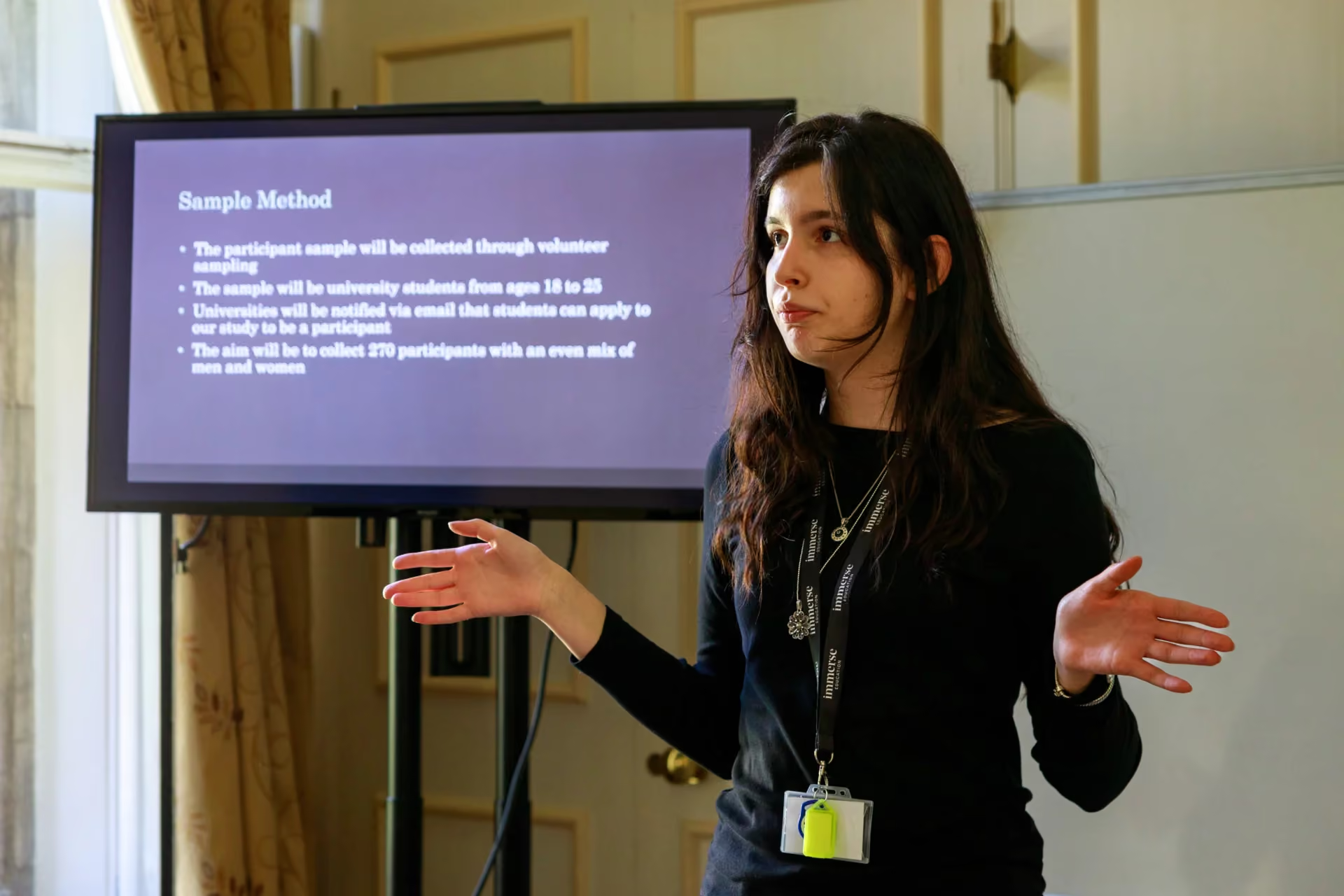
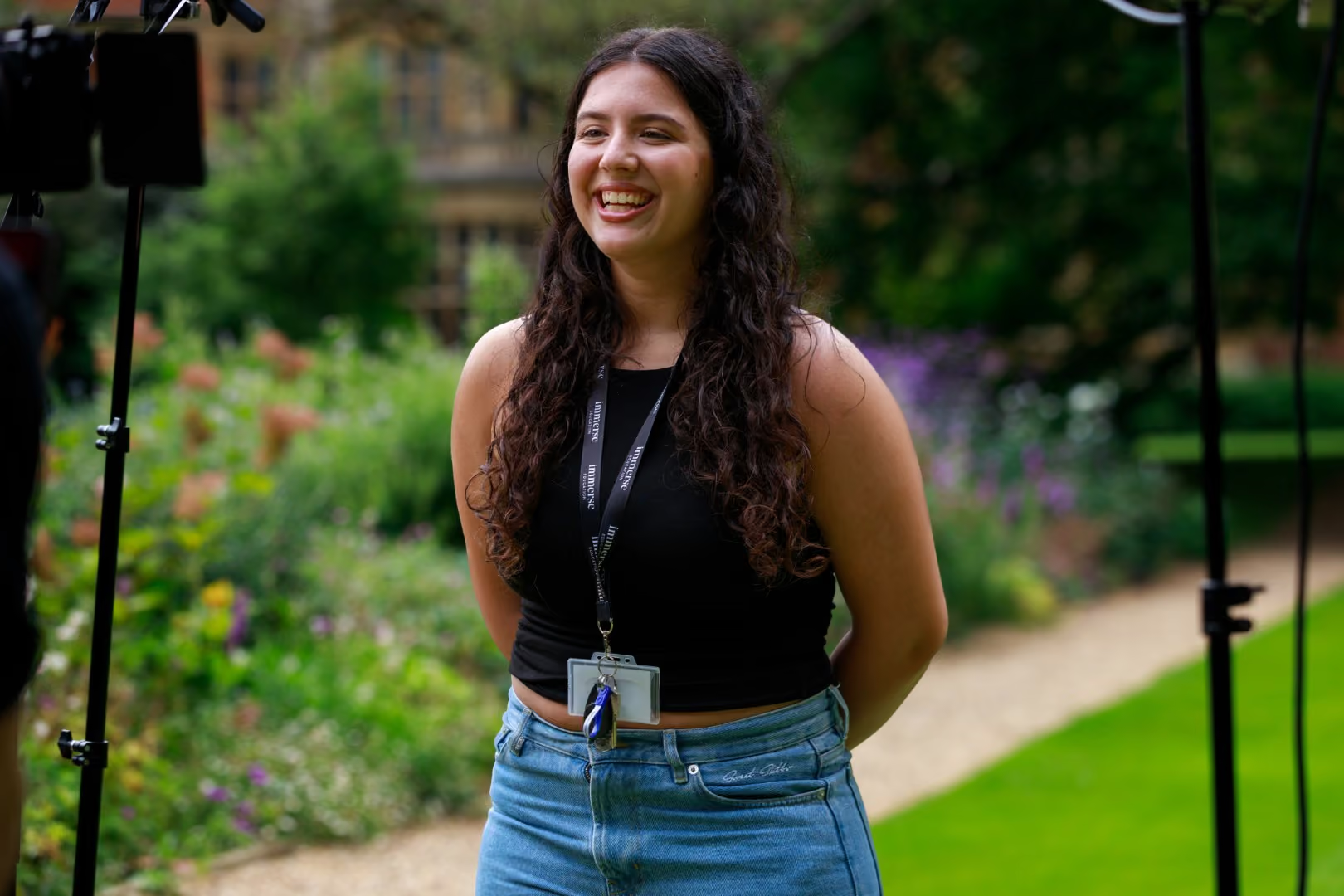
Images from the project.

Publishing now takes seconds
Where the team previously spent hours on a single publication and almost always needed a developer, the marketing team now manages the site independently through the Webflow editor. Campaigns and new programmes go live the moment marketing wants them to.
SEO value intact after go-live
All benchmark URLs resolved correctly straight after the DNS switch. The organic position built up over time therefore remained intact. Searchable measures the recovery against the earlier benchmark at several points.
Enter once, updated everywhere
Programmes, locations, subjects and pathways are interconnected. A change to one item is reflected on every page where that item appears, and filtering by subject, age, location and date runs directly on the CMS data. The team expands its offering without the structure growing in complexity.
Measurable improvement in technical performance
PageSpeed medians rose considerably and CLS dropped to zero. External scripts are deferred until the first interaction, improving the loading experience for visitors without losing any integrations.
The platform is ready for the next phase
The modular setup provides a foundation for future extensions such as a member portal, an application portal and further e-commerce flows, without the need for another complete rebuild.